My Role
- Developed the concept and designed game
- Programmed all functionality and integrated assets
- Designed, greyboxed and populated 10 levels
Battlefield Lost Island: Cold War is a 3D first-person shooter where you fight against a Soviet puppet government to liberate the fictional island of Farlan. I produced this game on my own, handling all aspects of production from initial game design and asset design to scripting FPS mechanics and enemy combatants.
Game Design
In Designing Battlefield Lost Island: Cold War, I wanted to build a historical shooter with heavy Cold War aesthetics and themes of rebellion. My main points of inspiration were Call of Duty: World at War and Far Cry 6. I began by building out a prototype of the first-person system and modeling all the necessary assets, from period-accurate weapons to basic character models. The bulk of my time was spent modeling assets before assembling a game, a workflow I will be changing in future projects.
Once I had the assets modeled, I created greyboxes of the ten levels with enemies and pickups (ammunition, health packs etc.) The main problems I faced were issues with GitHub and building an FPS system from scratch without prior experience doing so. This led to issues like weapons breaking if you switched weapons during a reload, and ray casts being set up incorrectly and leading to inaccurate fire while ADS (aiming down sights). I was also relying on assets I had created for previous projects, and while this sped up development time, I had issues scaling them correctly in proportion to each other and optimizing for performance. I was also not able to incorporate longer-ranged enemy types.
Level Design
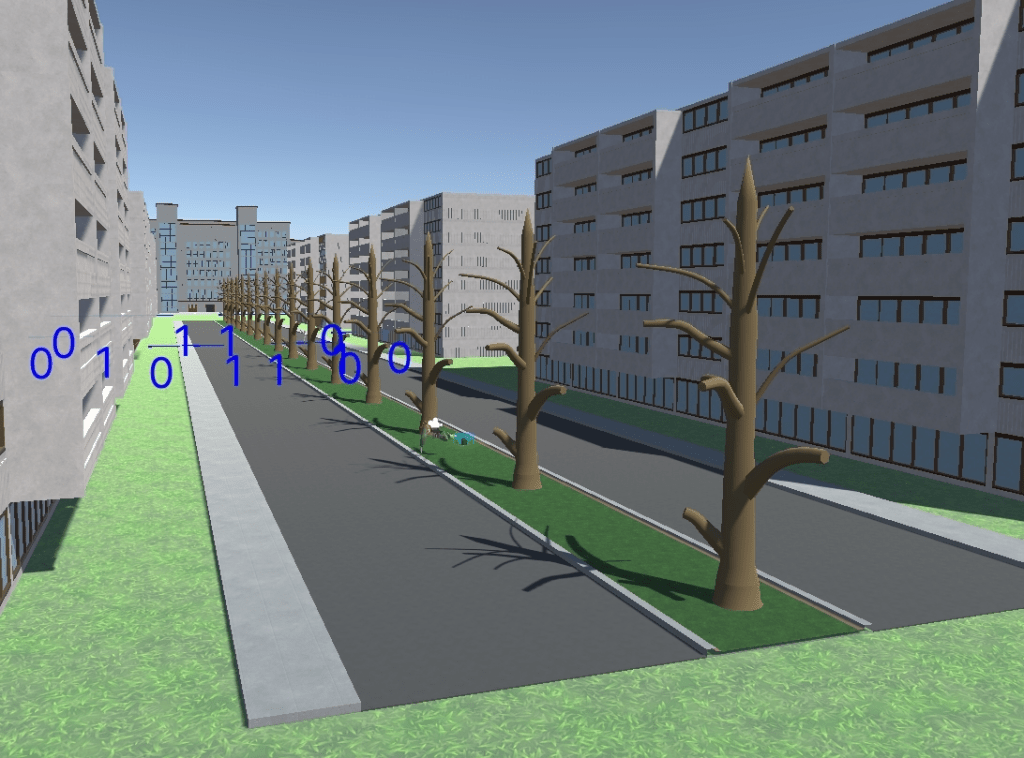
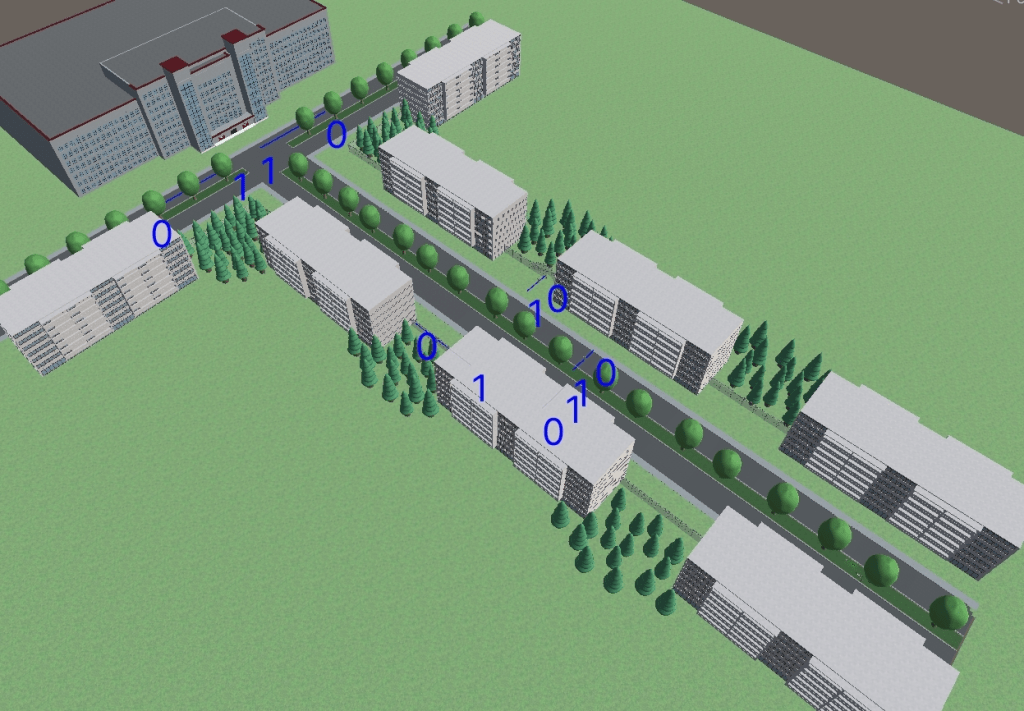
Like my previous game Odyseed, I sought to strike a balance between open areas and close-and-personal brawls. Of BFLI CW’s ten levels, five are mostly close-quarters or street-to-street fighting, and five are more open with ranged encounters. My favorite two levels to design were Battle of Weston II and Crossing the Rubicon.
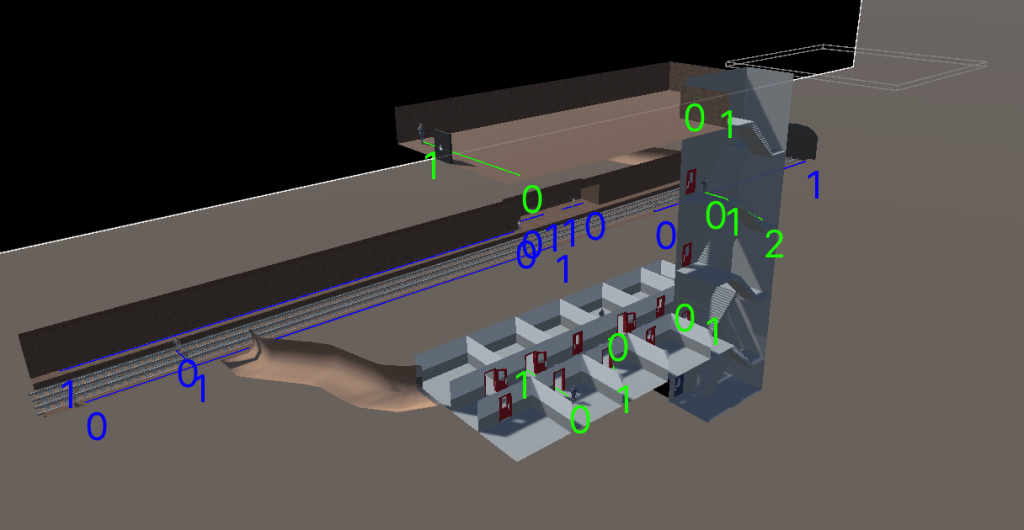
Battle of Weston II is the fourth mission in BFLI CW. In this mission, the player starts at the mouth of a large freight railyard in late afternoon and has to move between train cars to secure the depot and breach the city. I aimed to provide the player with a variety of paths to approach the same objective, as well as varying sightlines to manage and a strong incentive to keep their head on a swivel at all times. The basic AI was an obstacle to this task, as enemy units would detect the player too early or too late, leading to accidental flanks where even the player had not noticed them or a trooper discovered and started aiming at them through an obstacle. I was able to largely remedy this, and the end result is a welcome break from the linearity of previous levels.
Crossing the Rubicon is the seventh mission in BFLI CW. In this mission, the player must make their way across a large bridge between two mountains in the north of the island of Farlan. The bridge is packed with abandoned vehicles and Soviet patrols, once again forcing the player to control lines of fire and choose paths to move through. This level wound up being shorter than I would have liked, but I came to like the bite-size frenetic action of moving between cars and shooting through windows.
Narrative Design
The narrative played a much larger role in the documentation than the gameplay. BFLI CW’s narrative is mainly conveyed through short briefings in the beginning of each mission, with a summary of the year’s events and the player’s role in the events to come. This served the action-first approach, but in future projects I will augment this experience by adding relevant collectibles e.g. left-behind audio logs, souvenirs like hats or other relevant items and other curiosities.
Iteration and Feedback
I took feedback in three stages; first in having friends review my documents, then in having people play the beta build of the game to identify bugs and problems, and finally looking at it during launch. The beta was the most problematic point, as it should be, due to bugs with collisions and aim sensitivity that I had not previously been able to reproduce. Once I got to a launch-ready product, the majority of feedback concerned quality of life and feel. Most of the feedback I documented concerned mouse sensitivity, perceived vs actual point of aim on weapons and other gameplay feel issues.
Postlaunch
The main goal of postlaunch is to take the initial concept of Battlefield: Lost Island and enhance it significantly. My main three targets are gameplay variety, gameplay feel and narrative delivery. For gameplay variety, I will be adding multiple types of enemy and friendly NPCs, in order to add to the fantasy of participating in a collective rebellion rather than a solo rampage. I will also be adding new weapon types like heavy machine guns for different play styles. For gameplay feel, I will be implementing several changes to key mechanics like aim sensitivity, player movement and gunplay. Finally, for narrative delivery I am adding in collectibles and dialogue delivered in barks or conversations to help the player immerse themselves in the Farlanian revolution.
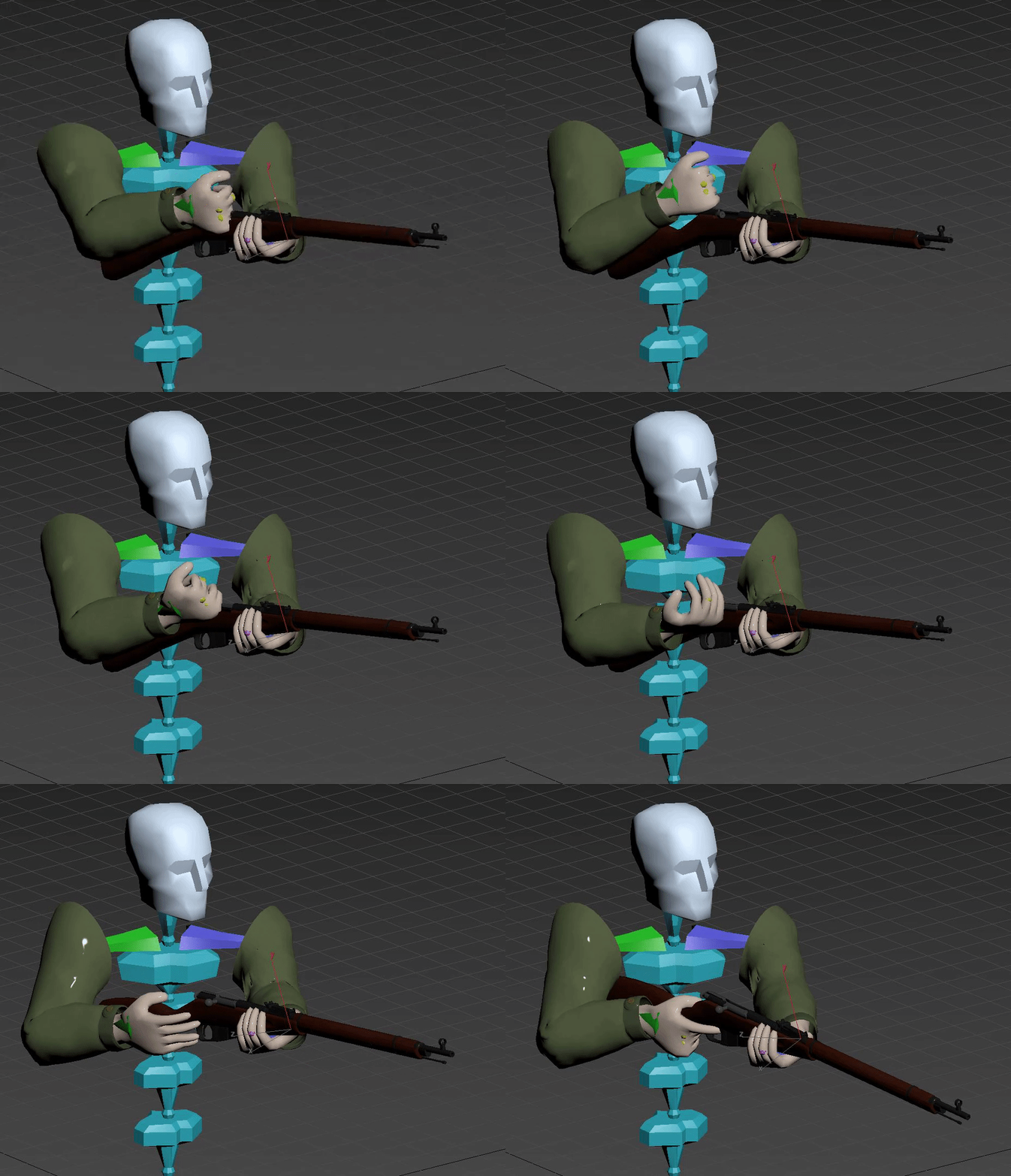
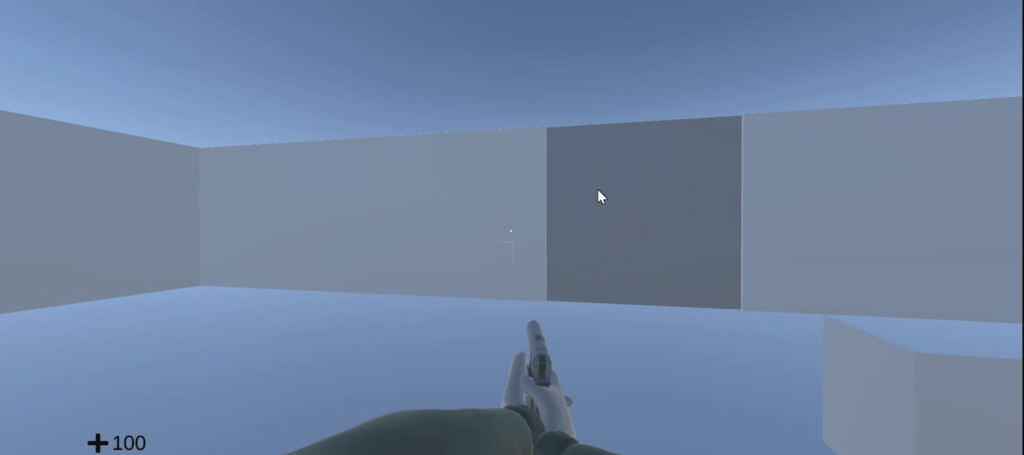
First weapon animated: Mosin-Nagant M91/30
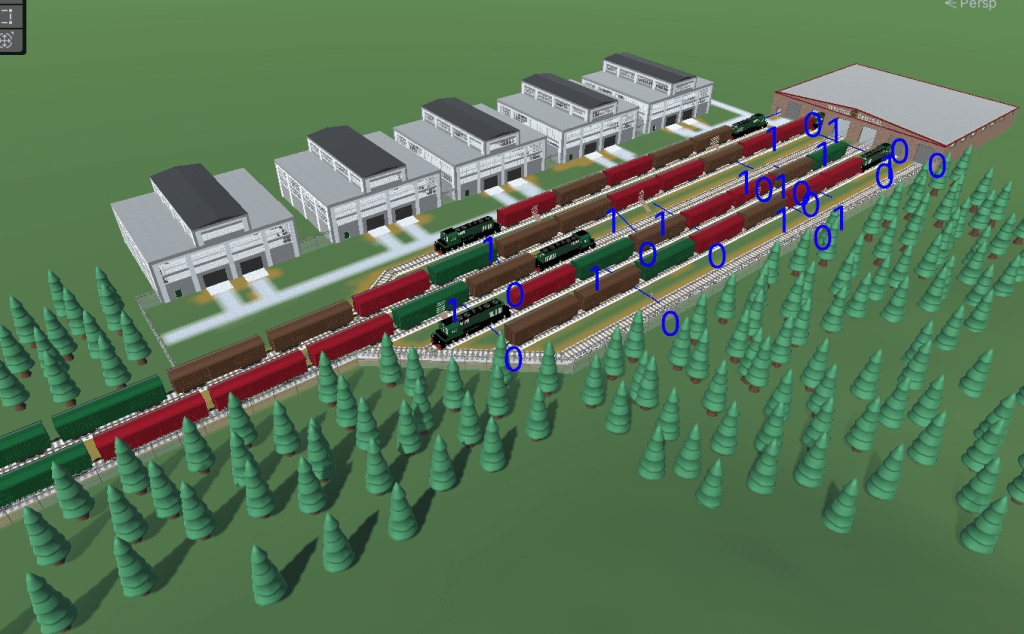
Battle of Weston II, birds-eye view
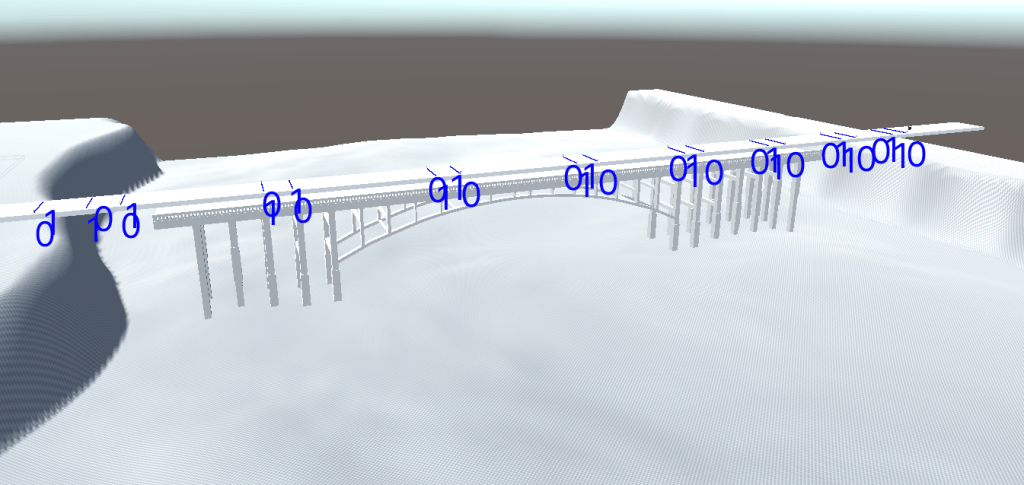
Crossing the Rubicon, early draft
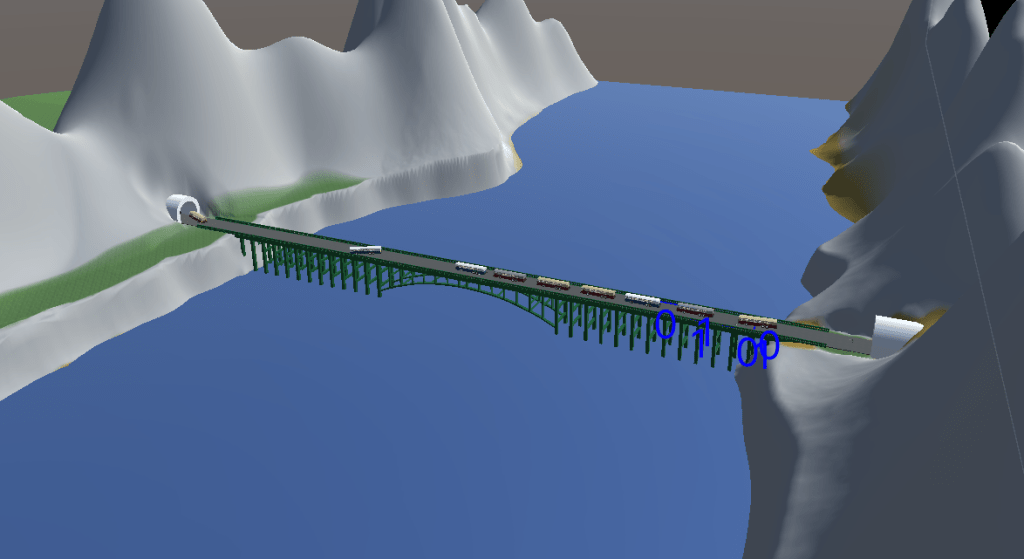
Crossing the Rubicon, final birds-eye view
Screenshots
Assets Used
Free Stylized PBR Textures Pack by Lumo-Art 3D
Nature Starter Kit 2 by Shapes
Particle Pack by Unity Technologies
World Materials Free by AvionX
Grenade Explosion sound by BlastwaveFX
 Thomas Stevens